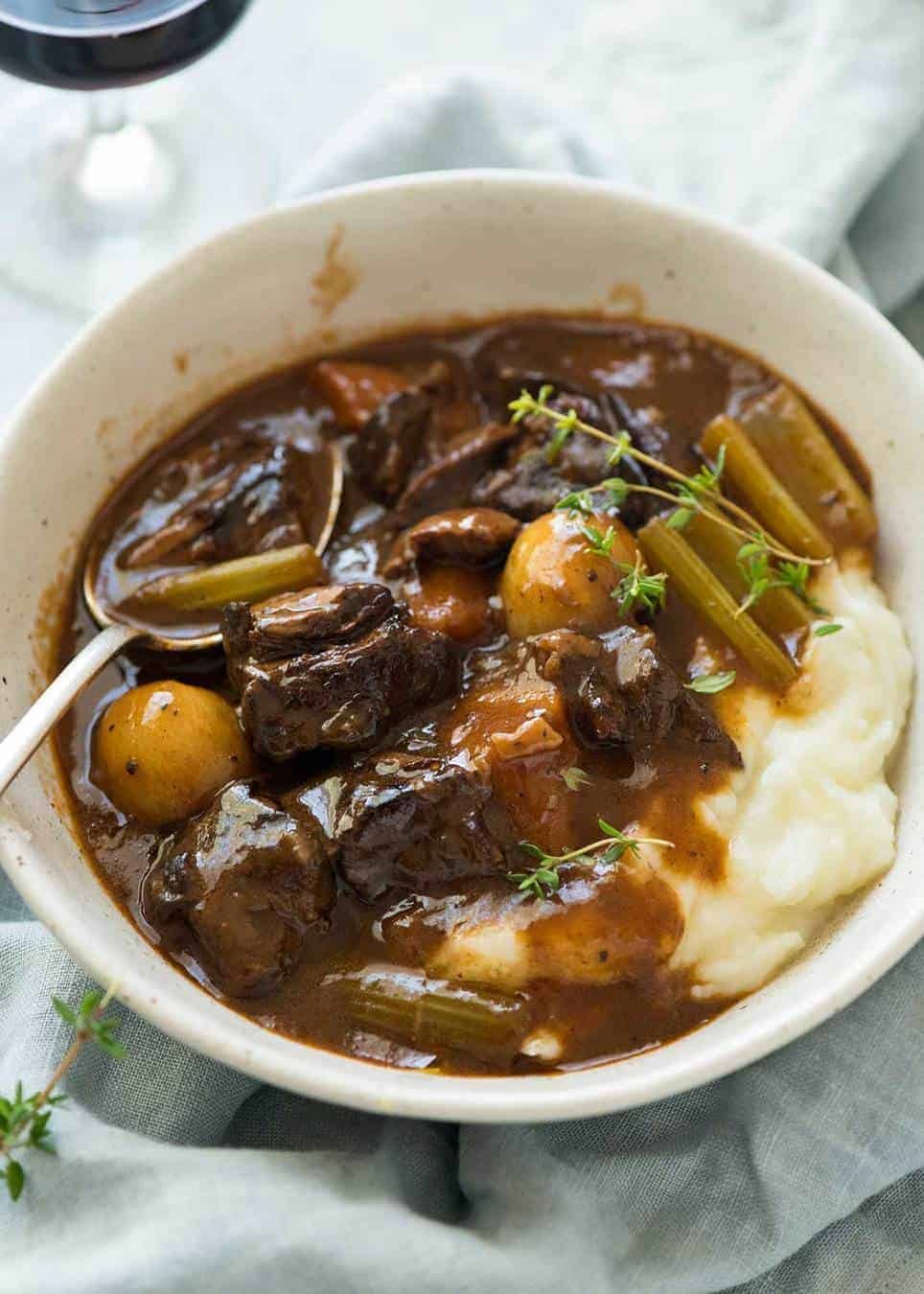
Deep Flavor Beef Stew: Chuck Roast, Red Wine, & Searing Secrets
There's a reason why a truly spectacular beef stew holds a special place in the hearts of home cooks and comfort food enthusiasts alike. It's more than just a meal; it's an experience – a rich, deeply satisfying dish that warms from the inside out, perfect for warding off the chill of colder months. But don't let its humble, hearty appearance fool you. Crafting a beef stew with meltingly tender beef and a sauce so profound it begs to be mopped clean with crusty bread requires a thoughtful approach, focusing on key techniques and quality ingredients. This isn't a "chuck it all in a pot" affair; it's an art built on foundational flavors, strategic searing, and the patient alchemy of slow simmering.
The Foundation of Flavor: Choosing Your Beef and Searing Secrets
The journey to an unforgettable beef stew begins with the right cut of meat. While many recipes simply call for "stew beef," the discerning cook knows that
chuck roast is the undisputed champion. This robust cut from the shoulder boasts an ideal balance of intramuscular fat (marbling) and connective tissue. These elements, often seen as undesirable in quick-cooking steaks, are precisely what make chuck roast transformational under the influence of slow, moist heat. Over hours of gentle simmering, the collagen in the connective tissue breaks down into gelatin, infusing the sauce with body and richness while rendering the beef incredibly juicy and fall-apart tender. Boneless beef short ribs also make an excellent, albeit slightly richer, alternative. Regardless of your choice, opt for large, substantial pieces of beef – they'll hold their shape better and retain moisture during the long cooking process, allowing the flavor to develop fully.
But even the best beef won't reach its full potential without proper searing. This critical first step is the secret to unlocking unparalleled depth in your stew. Searing isn't just about browning; it's about the Maillard reaction – a complex chemical process that creates hundreds of new flavor compounds, giving the beef a savory, caramelized crust. To achieve this, it's paramount to:
* **Dry the Beef:** Pat your beef pieces thoroughly dry with paper towels. Excess moisture will cause the beef to steam rather than sear, hindering browning.
* **Heat the Pan:** Use a heavy-bottomed pot or Dutch oven and heat a little oil until it shimmers. The pan must be hot enough to instantly start browning the meat.
* **Sear in Batches:** This is non-negotiable. Crowding the pot lowers the pan's temperature, releases too much moisture, and inevitably leads to steaming. Work in batches, leaving plenty of space between the pieces of beef, searing until each side is deeply browned – think a rich, dark mahogany, not just light golden. Don't be afraid of the dark, crusty bits sticking to the bottom of the pot; this is pure gold.
These dark, caramelized bits clinging to the bottom of your pot after searing are known as "fond." This concentrated layer of flavor is absolutely essential to a truly magnificent beef stew. It's the bedrock upon which the entire sauce will be built, and neglecting this step means sacrificing a significant dimension of taste.
Building the Aromatic Base: Mirepoix and Red Wine's Role
Once your beef is beautifully seared and set aside, the pot is ready for the next layer of flavor – the aromatic base. This begins with the classic French mirepoix: a finely diced blend of onions, carrots, and celery. Sautéing these vegetables directly in the beef drippings and precious fond from the searing process allows them to absorb those rich, meaty flavors, becoming sweeter and more complex as they soften. This step isn't just about adding vegetables; it's about infusing the entire dish with a foundational sweetness and savory depth that underpins every bite.
Following the aromatics, we introduce a constellation of ingredients that deepen and define the stew's character:
* **Red Wine:** A key player in many traditional beef stew recipes, red wine adds a sophisticated layer of flavor, a subtle acidity that cuts through the richness, and a beautiful color. As it simmers, the alcohol evaporates, leaving behind its complex fruit and tannin notes. While it can be omitted, a good dry red wine (like a Cabernet Sauvignon or Merlot) significantly elevates the overall profile.
* **Tomato Paste:** Far from just a thickener, tomato paste provides a concentrated burst of umami and a touch of acidity that brightens the stew and balances the other rich flavors. It's crucial to sauté the tomato paste for a minute or two before adding liquids; this caramelizes its sugars and deepens its flavor.
* **Worcestershire Sauce:** A secret weapon for many stews, Worcestershire sauce delivers a unique blend of savory, tangy, and slightly sweet notes. Its fermented ingredients contribute an invaluable depth and umami that can't be replicated by other means.
* **Flour:** To achieve that luxurious, velvety sauce, a small amount of flour is often whisked in after the aromatics and tomato paste have cooked down. This creates a roux, which thickens the liquid as it simmers, ensuring your stew isn't watery but wonderfully coating.
The Simmering Journey: Patience for Perfection
With the beef seared and the aromatic base established, it's time to bring everything together for the long, slow simmer. Return the seared beef to the pot, then add your chosen liquid – typically beef broth, combined with the red wine. Incorporate hearty vegetables like baby potatoes (or larger ones cut into chunks), along with fragrant herbs like bay leaves and fresh thyme sprigs. Ensure that the liquid generously covers all the ingredients; this provides the necessary moisture for the beef to become incredibly tender and for the flavors to meld.
The true magic of a deep-flavored beef stew unfolds during its extended simmer. This isn't a sprint; it's a marathon. While there are methods to speed things up (like a pressure cooker), the traditional stovetop or oven method allows flavors to slowly develop and deepen, creating an unparalleled richness. For classic results, cover the pot and simmer gently for approximately 1.5 to 2 hours, or until the beef is nearly fall-apart tender.
Once the beef reaches this point, remove the lid and continue to simmer for another 30 minutes or so. This crucial final step allows the sauce to reduce and thicken further, concentrating those magnificent flavors into a glossy, irresistible gravy. The difference between a good stew and a truly great one often lies in this reduction, transforming a thin liquid into a rich, mouth-coating experience. For a comprehensive guide on different cooking methods, check out our article on
Master Tender Beef Stew: Stove, Slow Cooker, Pressure Cooker Secrets.
Serving Suggestions and The Beauty of "Brown Food"
A perfectly executed beef stew, with its deep, earthy aromas and robust flavor, calls for simple yet satisfying accompaniments. The quintessential pairing is a mound of creamy mashed potatoes – their smooth texture and subtle richness provide a perfect counterpoint to the hearty stew, serving as an ideal vehicle for soaking up every last drop of that incredible sauce. For those seeking a lower-carb option, cauliflower mash makes an excellent substitute. And of course, no stew is complete without a sturdy, rustic bread – whether it's a quick Irish Soda Bread or an easy crusty Artisan loaf – to mop your bowl clean.
It’s worth acknowledging that beef stew, like many other deeply flavorful, slow-cooked dishes, often falls into the category of "brown food." It might not win awards for its vibrant color palette, but its visual modesty belies an extraordinary depth of flavor. This isn't food designed for Instagram aesthetics; it's food designed for ultimate comfort, soul-satisfying richness, and the kind of warmth that only comes from hours of careful preparation.
The best part? Beef stew is one of those rare dishes that almost invariably tastes even better the next day. The flavors continue to meld and deepen as it rests, making it an ideal make-ahead meal for busy weeknights or a superb option for entertaining. Discover more about how this hearty comfort food improves with time in our related piece:
Your Best Beef Stew: Hearty Comfort That Gets Better with Time.
Conclusion
Crafting a truly exceptional beef stew is a rewarding culinary endeavor that elevates simple ingredients into a masterpiece of flavor and comfort. By understanding the importance of selecting the right cut of beef like chuck roast, mastering the art of searing to develop crucial fond, building a rich aromatic base with mirepoix and red wine, and embracing the patient process of slow simmering, you can achieve a depth of flavor and tenderness that will impress even the most discerning palates. This hearty, economical dish is more than just a meal; it's an enduring symbol of warmth and culinary care, promising a deeply satisfying experience with every single spoonful.