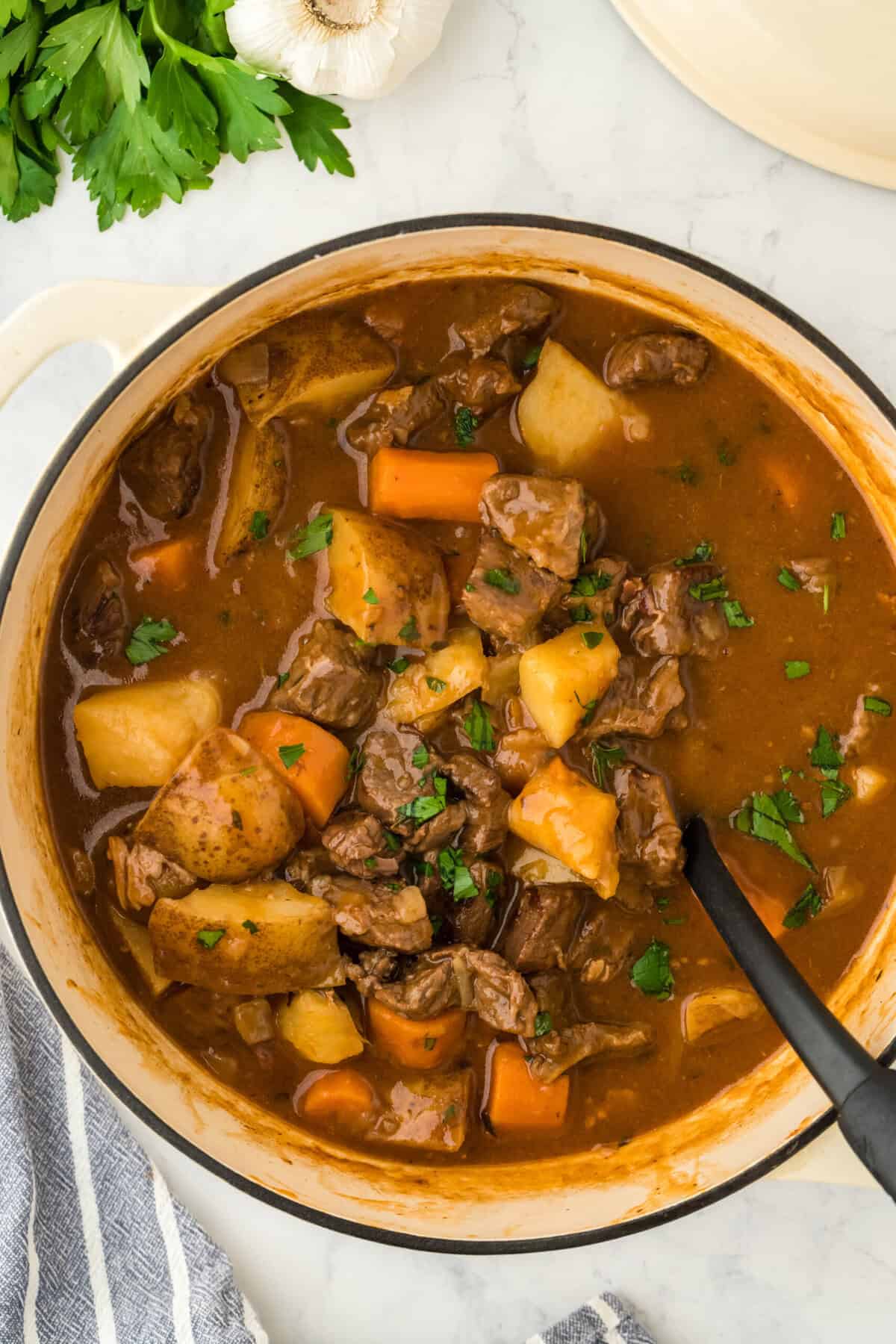
Unlock the Secrets to Masterful Tender Beef Stew
Few dishes evoke the warmth and comfort of home quite like a classic
beef stew. With its meltingly tender beef, an abundance of hearty vegetables, and a rich, deeply flavored sauce, it’s a culinary masterpiece that transforms simple ingredients into an extraordinary meal. Whether you’re braving the chill of colder months or simply craving a satisfying meal, a well-made beef stew is the ultimate comfort food. But what makes a truly exceptional stew? It’s not just about "chucking it all in a pot"; it's about mastering a few key techniques and understanding the science behind the flavor.
This comprehensive guide will demystify the art of crafting a perfect beef stew, revealing the secrets to achieving unparalleled tenderness and flavor. We'll explore the best cuts of beef, the foundational steps that build incredible depth, and how to achieve succulent results using your preferred cooking method: the stovetop, slow cooker, or pressure cooker.
The Foundation of Flavor: Choosing Your Beef and Building Depth
The journey to an unforgettable beef stew begins with the right cut of meat and a crucial technique: searing.
Selecting the Perfect Beef
For a stew that truly shines, the choice of beef is paramount. Our unequivocal recommendation is
chuck beef, often labeled as chuck roast or stew beef. This cut, sourced from the shoulder of the steer, is magnificently marbled with fat and laced with connective tissue. While these characteristics might make it less suitable for quick cooking, they are precisely what make it ideal for braising. Over long, slow cooking, this connective tissue breaks down into gelatin, infusing the meat with moisture and creating that sought-after, fall-apart tenderness and juicy texture. Boneless beef rib also performs exceptionally well for similar reasons.
Expert Tip: Resist the urge to cut your beef into tiny pieces. Larger chunks (about 1.5 to 2 inches) are better, as they won't cook too quickly and will have more time to absorb the flavors of the stew, contributing to a richer final dish.
The Magic of Searing: Developing Deep Flavor (and "Fond")
This is arguably the single most important step for a truly flavorful beef stew. Searing the beef well on all sides creates a beautiful brown crust through the Maillard reaction – a complex chemical process that unlocks hundreds of new flavor compounds and aromas.
*
Do NOT overcrowd the pan: This is critical. If you cram all the beef into the pan at once, the temperature will drop, and the meat will steam instead of sear. Work in batches, leaving space between each piece, to ensure proper browning.
*
Embrace the "Fond": As the beef sears, dark brown bits will stick to the bottom of the pan. This glorious residue is called "fond," and it's pure flavor gold. Whenever you sear meat, fish, or anything else, these caramelized bits are packed with concentrated deliciousness. They are the secret weapon for building an incredibly rich and deep sauce. You can see this principle beautifully demonstrated in a detailed guide like
Deep Flavor Beef Stew: Chuck Roast, Red Wine, & Searing Secrets.
Once the beef is beautifully browned and removed from the pan, it's time to build the aromatic base. In the beef drippings and fond left in the pot, sauté your mirepoix – the classic French trio of diced onion, carrots, and celery. Cooking these until softened allows them to soak up all those incredible beefy flavors, forming the first layer of complexity for your stew. Adding minced garlic at the end of this step enhances the aroma even further.
Crafting the Perfect Sauce: Ingredients and Techniques
With your perfectly seared beef and aromatic base established, the next step is to introduce the liquids and seasonings that will transform into a luscious, deeply flavored sauce.
Essential Sauce Components:
1.
Beef Broth: The backbone of your sauce, providing a robust, savory foundation.
2.
Red Wine (Optional, but Recommended): A splash of dry red wine adds fantastic complexity, acidity, and a touch of fruitiness that elevates the overall flavor profile. It also helps to deglaze the pan, dissolving all that precious "fond" into your sauce. If skipping, simply use more beef broth.
3.
Worcestershire Sauce: A secret weapon for umami and depth. Its savory, slightly tangy notes beautifully complement the beef and vegetables.
4.
Tomato Paste: This concentrated ingredient serves multiple purposes. It adds a touch of acidity to balance the richness, contributes to a beautiful color, and helps to thicken the sauce.
5.
Flour (or Cornstarch Slurry): While some recipes add flour directly to the beef before searing, incorporating it into the sauce-building stage is more common. It thickens the stew to a perfect, velvety consistency. Whisking it into the hot liquid (or creating a slurry with water/broth) helps prevent lumps.
6.
Herbs: Fresh or dried bay leaves and sprigs of thyme are classic additions that infuse the stew with their earthy, aromatic goodness.
Once these ingredients are added and brought to a simmer, along with your chunky potatoes (baby potatoes are fantastic, or larger ones cut into substantial pieces), ensure the liquid just covers the ingredients. This creates the ideal environment for slow, gentle braising.
Your Preferred Path to Perfection: Stove, Slow Cooker, or Pressure Cooker
One of the great joys of beef stew is its adaptability. While the foundational steps of searing and building the aromatic base are universal for the best flavor, the actual cooking time and method can vary based on your schedule and preference.
1. The Classic Stovetop/Oven Method: Time-Honored Tenderness
This is the traditional route, allowing flavors to meld and deepen over an extended period. After assembling your ingredients, simply bring the stew to a gentle simmer on the stovetop, then cover and cook for 1.5 to 2 hours until the beef is nearly fall-apart tender. For even heat distribution and a truly hands-off approach, many chefs transfer the pot to a preheated oven (around 325°F / 160°C) for this simmering stage. Finally, remove the lid and simmer for another 30 minutes on the stove (or in the oven) to allow the sauce to reduce and thicken to perfection. This method excels at developing rich, complex flavors that can only come from patience.
2. The Convenient Slow Cooker: Set It and Forget It
For those busy days when you want to come home to a delicious meal, the slow cooker is your best friend. After completing the crucial searing and sautéing steps on the stovetop, transfer everything to your slow cooker. Cook on low for 6-8 hours or on high for 3-4 hours, until the beef is incredibly tender. While the slow cooker provides unparalleled convenience, be aware that the sauce might not reduce and thicken as much as on the stovetop. A quick cornstarch slurry (1-2 tablespoons cornstarch mixed with an equal amount of cold water) can be stirred in during the last 30 minutes of cooking to achieve your desired consistency.
3. The Speedy Pressure Cooker (or Instant Pot): Weeknight Wonder
When time is of the essence, the pressure cooker is a game-changer. It dramatically reduces cooking time while still achieving melt-in-your-mouth tenderness. After searing and sautéing in the pot (many electric pressure cookers have a "Sauté" function), add the remaining ingredients. Seal the lid and cook on high pressure for approximately 35-45 minutes, followed by a natural pressure release for 10-15 minutes, then a quick release for any remaining pressure. This method locks in moisture and infuses flavors quickly, making it perfect for a satisfying weeknight meal. You might need to use the "Sauté" function after cooking to reduce and thicken the sauce to your liking.
Mastering the Art: Tips for an Unforgettable Beef Stew
Beyond the core methods, a few additional insights can elevate your beef stew from good to truly exceptional:
*
Don't Rush the Sear: We can't stress this enough. Patience during the browning stage pays dividends in flavor.
*
Taste and Adjust: Towards the end of cooking, taste your stew. Does it need more salt, pepper, or a touch of acidity (a splash of red wine vinegar or a squeeze of lemon juice can brighten flavors)?
*
The "Better Next Day" Phenomenon: Like many braised dishes,
beef stew often tastes even better the day after it's cooked. The flavors have more time to meld and deepen, creating a more harmonious and robust taste. This makes it an ideal make-ahead meal for entertaining or simply treating yourself throughout the week. For more on this, check out
Your Best Beef Stew: Hearty Comfort That Gets Better with Time.
*
Serving Suggestions: While a hearty stew can stand alone, it pairs beautifully with starches that can soak up every last drop of that glorious sauce. Our top recommendations include:
*
Creamy Mashed Potatoes: The ultimate classic pairing.
*
Crusty Artisan Bread: Perfect for mopping up every bit of sauce.
*
Irish Soda Bread: A quick, no-yeast option that provides a lovely rustic contrast.
*
Cauliflower Mash: A delicious low-carb alternative for those watching their intake.
Conclusion
A truly masterful
beef stew is a testament to the power of simple ingredients, thoughtful preparation, and patient cooking. By selecting the right cut of beef, investing time in searing to build a deep flavor base, and understanding the nuances of your chosen cooking method, you can consistently achieve a dish that is meltingly tender, incredibly flavorful, and deeply satisfying. So, embrace the culinary adventure, and prepare to delight your senses with a beef stew that embodies comfort, warmth, and culinary excellence.